Introduction
Airports and transportation hubs are dynamic spaces where the movement of people must be managed with precision. With thousands of passengers navigating terminals each hour, even minor inefficiencies can lead to congestion, long queues, and missed connections. To address these challenges, AI-powered crowd analytics has become a key driver in transforming how airports monitor, manage, and optimize passenger movement with real-time intelligence and predictive accuracy.
Reimagining Airport Efficiency Through Vision AI
Traditional monitoring systems rely on manual observation or basic camera feeds, which offer limited situational awareness. By integrating computer vision, 3D analytics and deep learning algorithms, airports can now gain real-time insights into passenger flow. These systems detect movement patterns, identify congestion points, and forecast traffic build-ups before they occur.
Unlike conventional surveillance, AI-driven analytics translate raw video data into actionable operational intelligence. This allows airport operators to make informed decisions about staffing, security management, and passenger routing, creating smoother travel experiences.
How Does Airport Passenger Tracking Improve Experience and Safety?
Accurate airport passenger tracking is essential for ensuring both safety and service quality. Using privacy-compliant 2D and 3D vision data, AI systems can track passenger locations without relying on smartphones or biometrics, ensuring full compliance with privacy regulations.
This technology enables airport authorities to monitor real-time occupancy levels at terminals, gates, and security areas. When congestion builds, alerts are triggered so that staff can be redeployed, queues reorganized, and passenger flow balanced. Ultimately, this leads to reduced wait times, improved satisfaction, and enhanced operational control.
Queue Management Systems: The Backbone of Smooth Operations
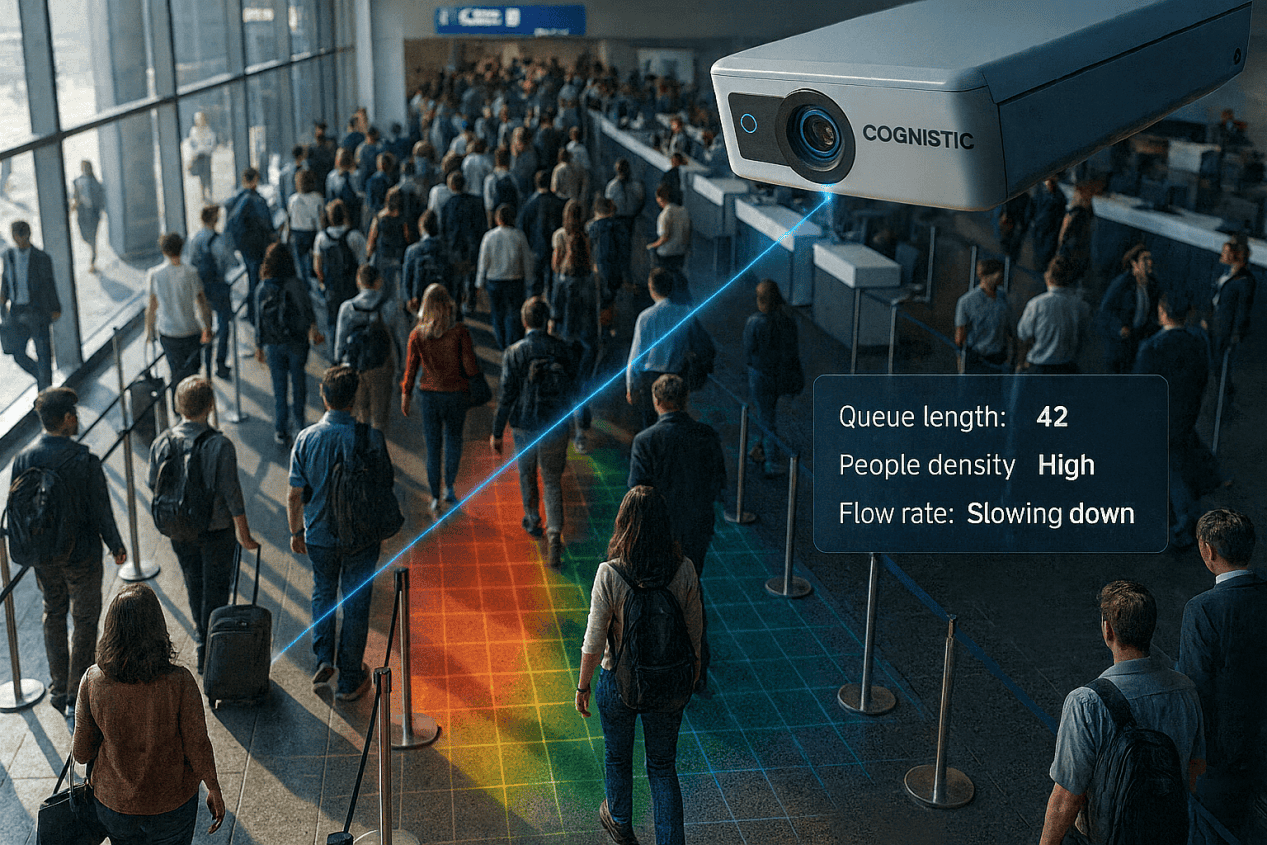
An efficient queue management system powered by AI is one of the most practical applications in modern airports. These systems track queue length, service times, and passenger density to dynamically adjust staffing and resource allocation.
For instance, if a line at security or check-in grows beyond optimal limits, the system sends instant notifications to supervisors, prompting immediate action. The result is a measurable reduction in bottlenecks, higher throughput, and a consistently better passenger experience across the terminal.
Preventing Delays with Real-Time Congestion Alerts
Congestion not only affects passenger comfort but also disrupts flight schedules and ground operations. Through real-time Vision AI congestion alerts, AI identifies potential overcrowding before it becomes a problem. It continuously assesses movement speed, density, and direction to highlight areas that need attention.
This proactive approach helps airport management allocate staff, open additional service counters, or redirect passengers to less crowded areas. With every decision supported by data, delays are minimized and operational efficiency is maintained.
Passenger Flow Optimization: The Future of Smart Airports
The integration of AI technologies has enabled the creation of adaptive systems that learn and evolve with every interaction. Passenger flow optimization uses predictive modeling to anticipate crowd behavior during peak hours, weather disruptions, or flight delays. These insights support real-time decisions that keep the entire airport ecosystem synchronized.
Beyond passenger management, AI analytics can also support sustainability initiatives by optimizing energy usage, HVAC systems, and lighting based on occupancy patterns. This ensures airports not only operate efficiently but also responsibly.
Industrial Safety Analytics
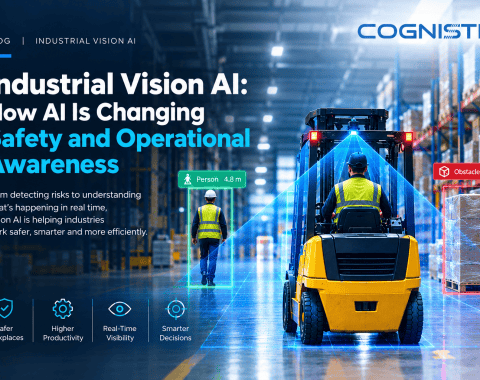
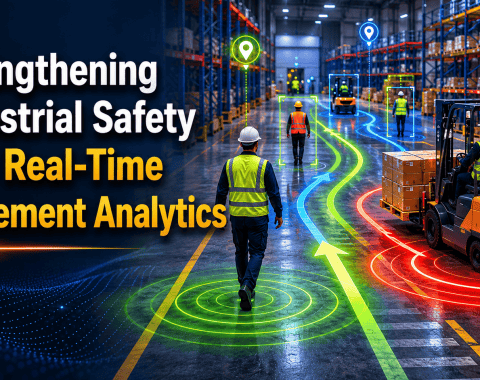
Industrial safety analytics in airports focuses on monitoring operational data to identify and mitigate safety risks in real time. Using advanced machine learning and risk detection algorithms it tracks employee movement, vehicle activity, and maintenance processes to detect patterns that may indicate danger. This predictive insight helps airport authorities improve ground handling procedures, enhance staff coordination, and ensure compliance with international aviation safety standards.
Multi-Sensor Monitoring
Multi-sensor monitoring combines data from cameras, radar, LiDAR, and thermal sensors to provide a comprehensive understanding of crowd movement and activity across airport zones. This technology allows continuous observation of high-traffic areas such as security checkpoints, baggage claims, and boarding gates. By merging multiple data streams, airports can detect potential congestion points faster and respond proactively, resulting in better passenger flow and higher operational resilience.
Real-Time Predictive Safety
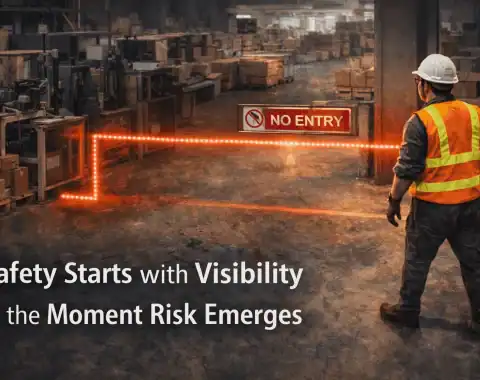
With real-time predictive safety, airports can foresee potential disruptions before they occur. AI systems analyze live video feeds and environmental conditions to predict crowd surges, equipment blockages, or service slowdowns. Automated alerts help staff take timely corrective action, minimizing wait times and preventing congestion-related safety risks. Predictive safety establishes a new benchmark for proactive airport management ensuring smooth operations and compliance with aviation safety regulations.
Final Thought
The modern airport is no longer just a transportation hub it is a data-driven ecosystem powered by real-time. With AI-powered crowd analytics, queue management systems, and real-time congestion alerts, airport authorities are moving toward a future where delays are minimized, and passenger experience is seamless.
Through advanced passenger flow optimization, every journey becomes smoother, safer, and smarter. At the heart of this transformation is Cognistic, leading the evolution of Vision AI solutions that redefine operational safety, efficiency, and reliability across global transportation networks.
Frequently Asked Questions (FAQs)
- How does AI-powered crowd analytics improve airport operations?
It converts live video data into real-time insights that help manage passenger flow, reduce congestion, and optimize staffing with greater accuracy and responsiveness.
- What are the benefits of airport passenger tracking?
It ensures safe, efficient movement throughout terminals while maintaining full privacy compliance and reducing crowding through real-time occupancy awareness.
- How do AI-based queue management systems work?
They monitor queue length and density, automatically alerting staff to adjust resources for faster service and smoother passenger throughput.
- What makes real-time congestion alerts effective?
They identify early signs of crowd buildup, enabling proactive decisions to redirect passengers and maintain smooth operations before delays escalate.
- How does Cognistic contribute to airport innovation?
Cognistic provides Vision AI technologies built for large-scale, mission-critical environments, delivering predictive analytics, real-time monitoring, and intelligent automation for safer, more efficient environments.